Hypermobility & Ehlers-Danlos Syndrome Physical Therapy
Specialized Physical Therapy for Hypermobility, EDS, and Dysautonomia in Bellingham, Washington.
At Lumina Physical Therapy, we provide specialized physical therapy for individuals with hypermobility spectrum disorders (HSD), Ehlers-Danlos Syndrome (EDS), and associated conditions including POTS and dysautonomia.
Hypermobility conditions can affect the entire body and often require a comprehensive, individualized treatment approach. Many people with EDS or hypermobility experience chronic pain, joint instability, fatigue, pelvic floor dysfunction, exercise intolerance, recurrent injuries, and nervous system symptoms that may not improve with traditional rehabilitation approaches.
Our goal is to help patients improve stability, movement confidence, strength, nervous system regulation, and overall quality of life through compassionate, evidence-based care.
What Is Hypermobility?
Hypermobility refers to joints that move beyond the typical range of motion. While some people are naturally flexible without symptoms, others experience pain, instability, injuries, and systemic symptoms related to connective tissue disorders. Conditions commonly associated with hypermobility include:
Ehlers-Danlos Syndrome (EDS) and Hypermobility Spectrum Disorder (HSD)
Joint instability and recurrent subluxations
Chronic pain syndromes
Dysautonomia and POTS
Pelvic floor dysfunction
Fatigue and exercise intolerance
Chronic muscle tension and compensation patterns
Because connective tissue is present throughout the body, symptoms may affect multiple body systems rather than a single joint or region.
Individuals with hypermobility conditions may experience:
Joint pain and instability
Frequent sprains or injuries
Subluxations or dislocations
Muscle fatigue and weakness
Chronic tension and muscle guarding
Neck and back pain
Pelvic pain and pelvic floor dysfunction
Headaches and TMJ dysfunction
Poor balance or proprioception
Exercise intolerance
Dizziness or lightheadedness
Symptoms related to POTS or dysautonomia
Difficulty recovering from activity
Persistent pain despite previous treatment
These symptoms are real, complex, and often interconnected.
Symptoms You Shouldn’t Ignore
You may benefit from specialized hypermobility physical therapy if you experience: Frequent injuries or joint instability, Chronic pain or muscle tension, Fatigue and exercise intolerance, Dizziness or POTS symptoms, Pelvic floor dysfunction, Difficulty building strength safely, Recurrent subluxations, Persistent symptoms despite previous therapy, Difficulty returning to activity, Feeling unstable or unsupported during movement. Appropriate rehabilitation can help improve confidence, function, and quality of life.
Conditions We Treat
At Lumina Physical Therapy, we provide specialized care for a wide range of conditions associated with hypermobility, connective tissue disorders, and nervous system dysfunction, including:
Hypermobility & Connective Tissue Disorders
Ehlers-Danlos Syndrome (EDS)
Hypermobile Ehlers-Danlos Syndrome (hEDS)
Hypermobility Spectrum Disorders (HSD)
Generalized joint hypermobility
Joint instability
Recurrent subluxations and dislocations
Pain & Movement Conditions
Chronic pain
Neck pain
Back pain
Hip pain
Pelvic pain
Muscle tension and guarding
Exercise intolerance
Persistent symptoms despite previous treatment
Pelvic Health Conditions
Pelvic floor dysfunction
Urinary leakage
Pelvic pressure or prolapse symptoms
Constipation and bowel dysfunction
Pain with intercourse
Pregnancy and postpartum concerns related to hypermobility
Dysautonomia & Nervous System Conditions
Postural Orthostatic Tachycardia Syndrome (POTS)
Dysautonomia
Dizziness and lightheadedness
Fatigue
Activity intolerance
Nervous system regulation challenges
Functional & Performance Concerns
Poor balance and proprioception
Difficulty building strength safely
Frequent injuries
Delayed recovery from activity
Difficulty returning to exercise or sport
How Physical Therapy Can Help
Physical therapy for hypermobility and EDS should focus on improving stability, movement control, strength, nervous system regulation, and functional tolerance without overloading sensitive tissues. At Lumina Physical Therapy, treatment is individualized based on each patient’s symptoms, goals, and tolerance levels. Treatment may include: Joint stabilization training, Strengthening and endurance progression, Proprioception and balance training, Breathing and pressure management strategies, Nervous system regulation techniques, Activity pacing and energy conservation education, Core and pelvic floor rehabilitation, Postural and movement retraining, Manual therapy, Exercise modification and return-to-activity guidance. Our approach emphasizes sustainable progress, symptom management, and long-term function.
Pelvic Floor Dysfunction and Hypermobility
Pelvic floor dysfunction is common in individuals with hypermobility and EDS due to connective tissue laxity, muscle compensation patterns, and chronic instability. Symptoms may include: Urinary leakagePelvic pain, Pelvic pressure or prolapse symptoms, Constipation, Pain with intercourse, Core weakness, Hip and low back pain, Pregnancy and postpartum complications. Because pelvic floor dysfunction is often connected to breathing mechanics, posture, core control, and joint stability, treatment focuses on the entire system rather than isolated pelvic floor strengthening alone.
POTS and Dysautonomia Rehabilitation
Many individuals with Ehlers-Danlos Syndrome and hypermobility also experience dysautonomia conditions such as Postural Orthostatic Tachycardia Syndrome (POTS). Symptoms may include: Dizziness or lightheadedness, Rapid heart rate with standing, Exercise intolerance, Fatigue, Brain fog, Shortness of breath, Difficulty tolerating upright activity. Physical therapy may help improve exercise tolerance, cardiovascular conditioning, nervous system regulation, breathing mechanics, and activity progression while respecting individual tolerance levels.

Common Symptoms Associated with EDS and Hypermobility
What Makes Lumina Physical Therapy Different?
Specialized Knowledge in Hypermobility and EDS
We understand the complexity of hypermobility conditions and the need for individualized treatment progression.
Whole-Body Orthopedic and Pelvic Health Approach
Treatment addresses joint stability, movement patterns, nervous system regulation, pelvic floor function, and overall biomechanics together.
One-on-One Personalized Care
Each treatment session is focused entirely on your goals, symptoms, and functional needs.
Evidence-Based and Compassionate Treatment
We recognize that hypermobility conditions affect every person differently and require adaptable, patient-centered care.
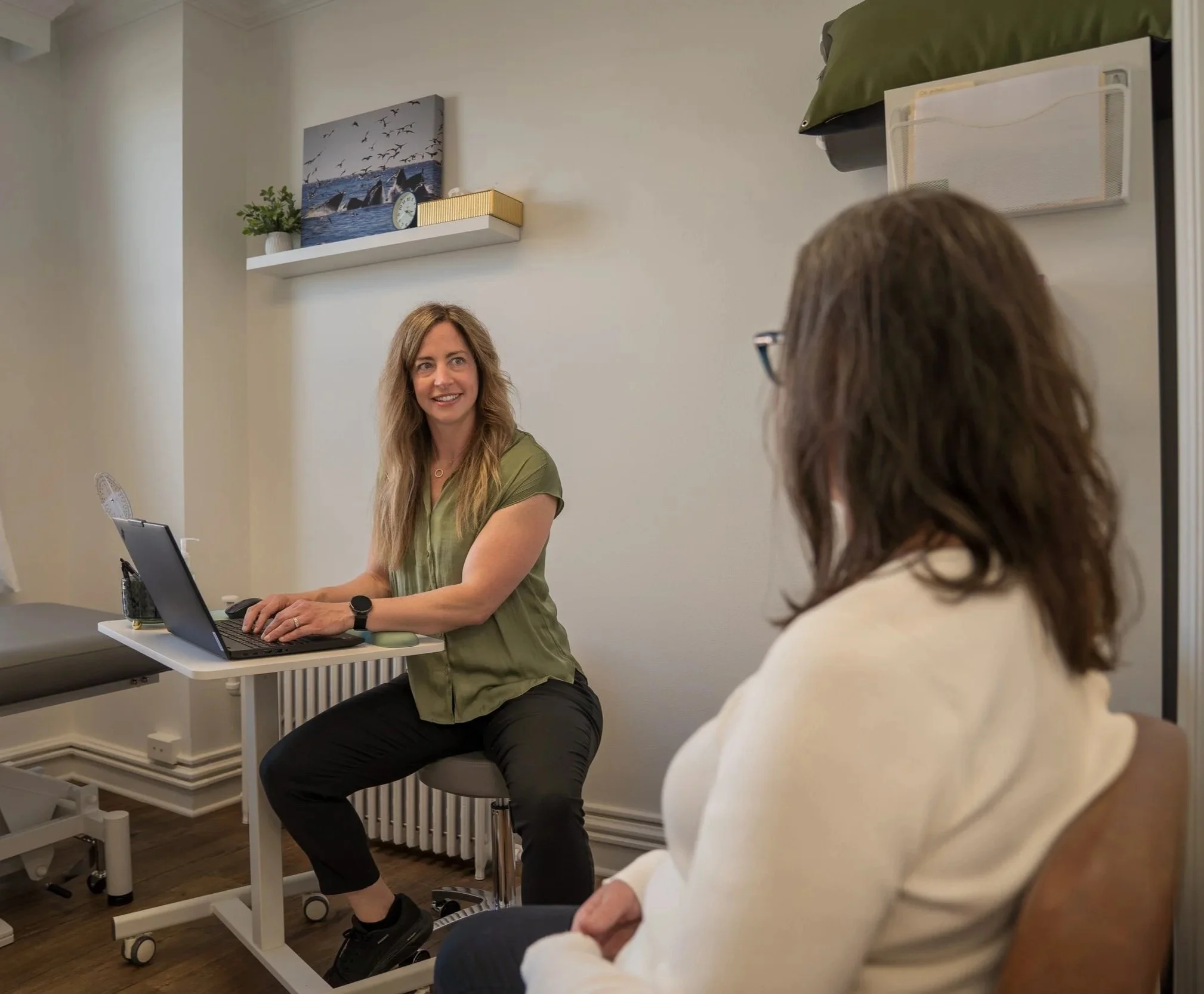
Start Your Recovery with Lumina Physical Therapy
Lumina Physical Therapy provides specialized physical therapy for hypermobility spectrum disorders, Ehlers-Danlos Syndrome, pelvic floor dysfunction, and dysautonomia conditions including POTS. If you are experiencing chronic pain, instability, fatigue, pelvic floor dysfunction, or difficulty tolerating activity, we are here to help. Contact Lumina Physical Therapy to schedule your evaluation and begin your recovery journey.
Frequently Asked Questions
Can physical therapy help Ehlers-Danlos Syndrome?
Yes. Physical therapy is one of the primary conservative treatments for EDS and hypermobility conditions. Treatment focuses on improving stability, movement control, endurance, and symptom management.
Is exercise safe for people with hypermobility?
Yes, but exercise should be individualized and appropriately progressed to avoid overloading unstable joints and sensitive tissues.
Can physical therapy help POTS and dysautonomia?
Yes. Carefully guided rehabilitation can help improve exercise tolerance, cardiovascular conditioning, and functional activity tolerance.
Is pelvic floor dysfunction common with hypermobility?
Yes. Individuals with hypermobility frequently experience pelvic floor dysfunction due to connective tissue laxity and compensation patterns throughout the body.
Visit our FAQ Page for answers to common questions about pelvic floor physical therapy, pregnancy and postpartum recovery, hypermobility and EDS, orthopedic care, insurance, and getting started at Lumina Physical Therapy.
Ready to Get Started?
Hypermobility and EDS often affect multiple body systems and require an individualized approach. Treatment focuses on improving stability, function, and confidence while working within your body's unique needs.