Pelvic Floor Physical Therapy
Specialized Pelvic Health Physical Therapy for Women in Bellingham, Washington.
At Lumina Physical Therapy, we provide specialized female pelvic floor physical therapy designed to help women reduce pain, restore function, improve movement, and feel more confident in their bodies.
Pelvic floor dysfunction can affect women at every stage of life, from adolescence through postpartum recovery and menopause. Symptoms such as urinary leakage, pelvic pain, pressure, constipation, painful intercourse, and core weakness are common, but they are not something you simply have to live with.
Our approach combines orthopedic physical therapy and pelvic health rehabilitation to address the whole body rather than focusing on isolated symptoms.
What Is Pelvic Floor Physical Therapy?
The pelvic floor is a group of muscles, connective tissue, and nerves that support the bladder, bowel, and reproductive organs. These muscles also play an important role in core stability, posture, breathing, bowel and bladder control, sexual function, and movement. Pelvic floor dysfunction occurs when these muscles become weak, overactive, uncoordinated, painful, or unable to function properly. Female pelvic floor physical therapy focuses on improving muscle coordination, mobility, strength, relaxation, and overall function through individualized treatment and education.
Common Symptoms We Treat
Symptoms may include:
Urinary leakage
Urinary urgency or frequency
Pelvic pain
Pain with intercourse
Pelvic pressure or heaviness
Constipation
Painful bladder symptoms
Tailbone pain
Low back or hip pain
Core weakness
Diastasis recti
Difficulty returning to exercise
Persistent postpartum symptoms
These symptoms are common, but they are not a normal part of everyday life and often respond well to pelvic floor physical therapy.
Pregnancy and childbirth place significant physical demands on the pelvic floor, abdominal wall, spine, and hips. Pelvic floor physical therapy during pregnancy can help reduce pain, improve mobility, prepare for labor, and support postpartum recovery. Postpartum pelvic floor therapy can help address: Urinary leakage, Pelvic heaviness or pressure, Core weakness, Diastasis recti, Pain with movement or exercise, Scar mobility after C-section, Return to exercise and activity, Pelvic pain after delivery
Whether you delivered vaginally or via C-section, postpartum rehabilitation can help support healing and long-term function.
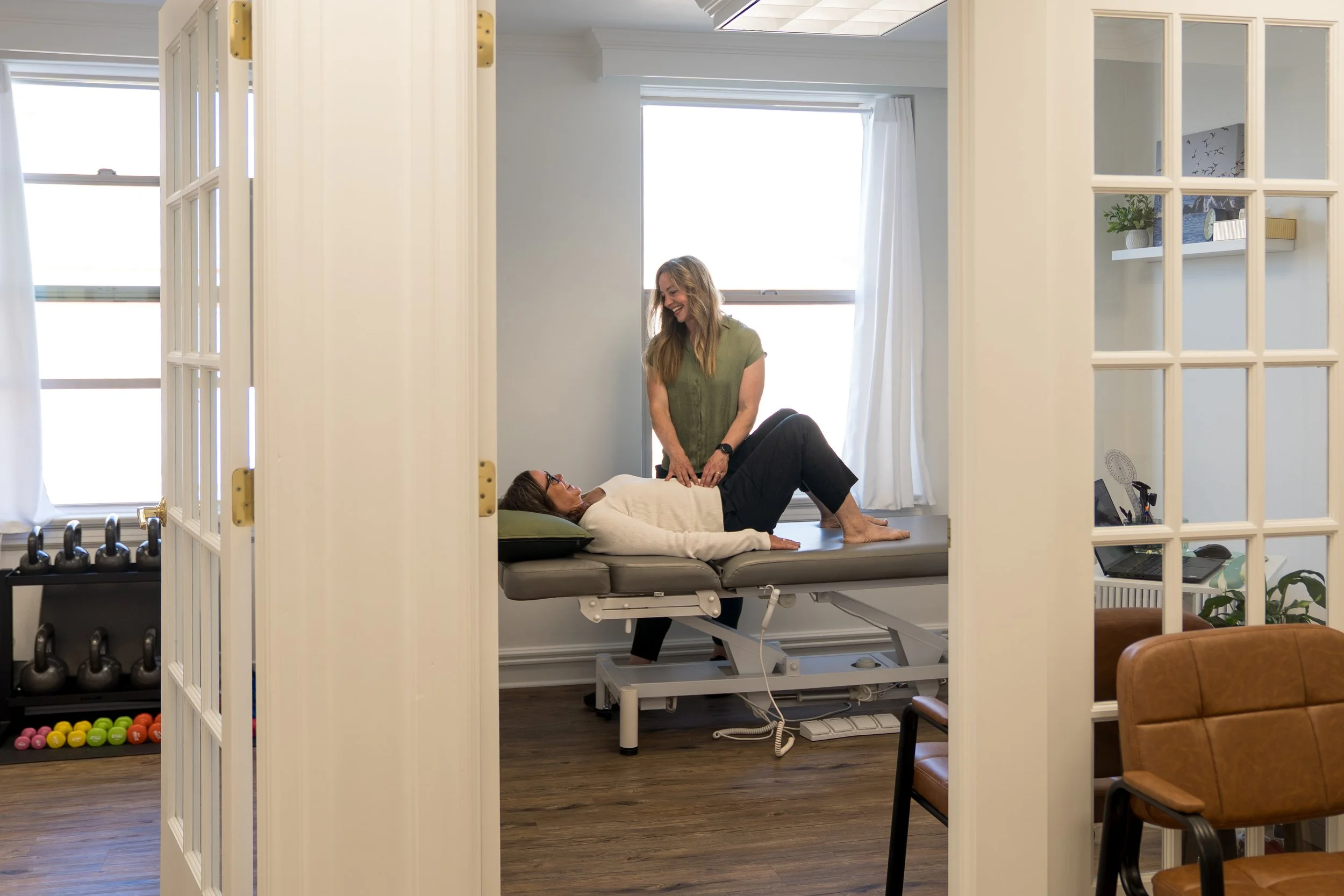
Symptoms You Shouldn’t Ignore
You may benefit from female pelvic floor physical therapy if you experience: Leaking urine with coughing, sneezing, or exercise, Pelvic pain or pressure, Pain with intercourse, Constipation or difficulty emptying bowels, Persistent postpartum symptoms, Difficulty returning to exercise, Low back, hip, or tailbone pain, Abdominal weakness or separation, Frequent urgency to urinate, Painful bladder symptoms. These symptoms are common, but they are treatable.
Conditions We Treat
At Lumina Physical Therapy, we treat a wide range of pelvic health conditions affecting women, including:
Bladder, Bowel & Pelvic Support Conditions
Urinary incontinence
Urinary urgency and frequency
Constipation and bowel dysfunction
Painful bladder symptoms
Pelvic pressure or prolapse symptoms
Pain Conditions
Pelvic pain
Pain with intercourse
Endometriosis-related pain
Tailbone pain
Pregnancy & Postpartum Conditions
Pregnancy-related pelvic pain
Postpartum recovery concerns
Diastasis recti
C-section recovery
Movement & Stability Conditions
Core weakness
Hip pain and pelvic instability
Low back pain related to pelvic floor dysfunction
Hypermobility-related pelvic floor dysfunction
Surgical Recovery Conditions
Scar pain after abdominal or pelvic surgery
What to Expect During Pelvic Floor Physical Therapy
Your treatment begins with a comprehensive evaluation focused on your symptoms, movement patterns, posture, breathing mechanics, strength, mobility, and goals. Treatment may include: Orthopedic movement assessment, Pelvic floor muscle coordination training, Breathing and pressure management strategies, Manual therapy, Strength and mobility exercises, Core rehabilitation, Postural training, Education about bladder and bowel habits, Return-to-exercise guidance
Every treatment plan is individualized to your body, symptoms, and goals.
Pelvic Floor Therapy During Pregnancy and Postpartum
Why Choose Lumina Physical Therapy?
One-on-One Personalized Care
Each session is focused entirely on you and your recovery goals.
Orthopedic and Pelvic Health Expertise
We integrate orthopedic physical therapy and pelvic floor rehabilitation to address the entire movement system.
Whole-Body Approach
Pelvic floor dysfunction is often connected to the hips, spine, breathing mechanics, nervous system, and core function. We focus on treating the body as a whole.
Evidence-Based Treatment
Our care is grounded in current research and individualized clinical decision-making.
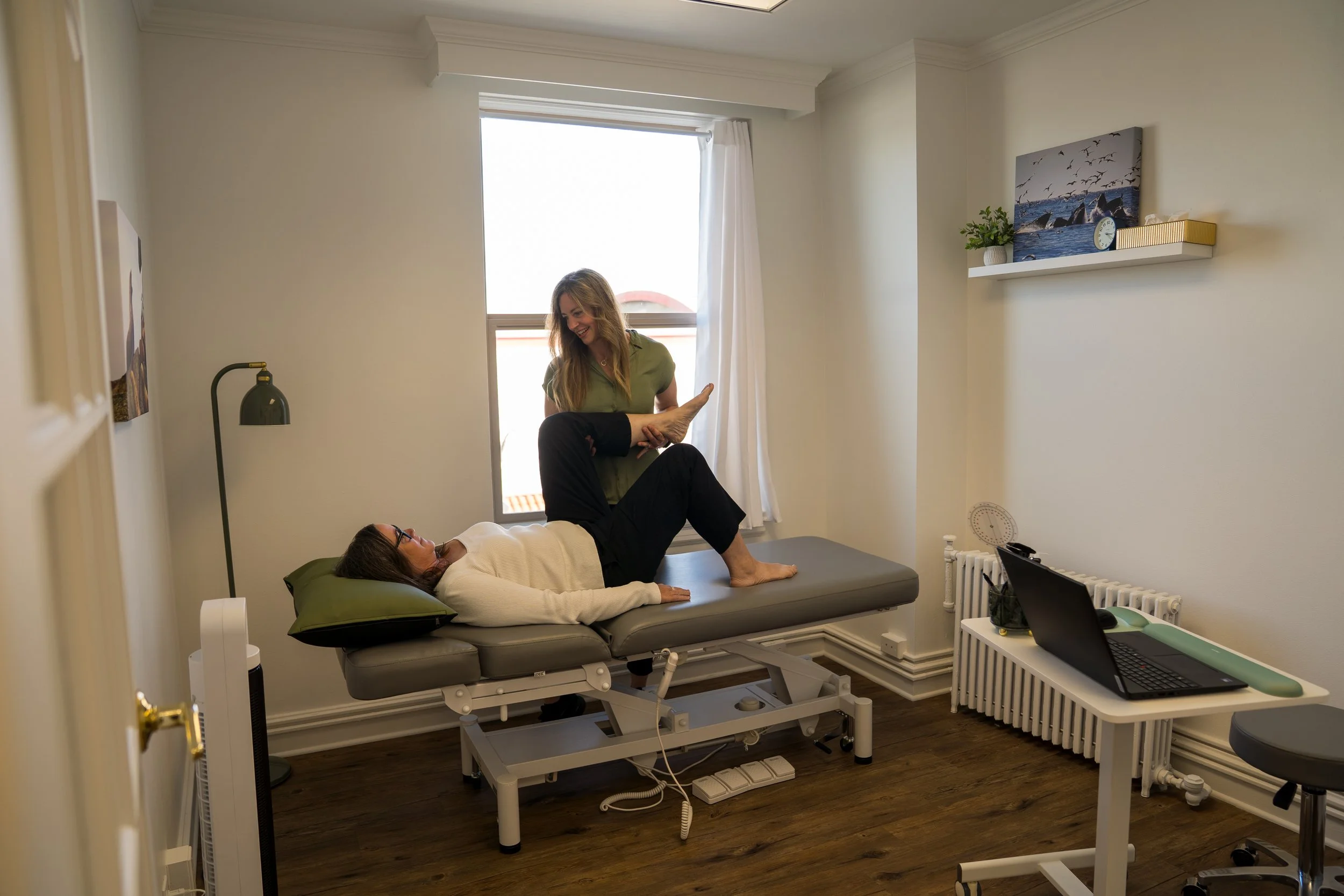
Start Your Recovery with Lumina Physical Therapy
Lumina Physical Therapy provides compassionate, evidence-based female pelvic floor physical therapy to help women move better, feel stronger, and improve quality of life. If you are experiencing pelvic pain, urinary leakage, postpartum symptoms, core weakness, or pelvic floor dysfunction, we are here to help. Contact Lumina Physical Therapy to schedule your evaluation and begin your recovery journey.
Frequently Asked Questions
Do I need pelvic floor therapy after having a baby?
1
Many women benefit from pelvic floor therapy postpartum, even if symptoms seem mild. Physical therapy can help improve healing, restore strength, and reduce long-term dysfunction.
Is pelvic floor therapy only for postpartum women?
2
No. Pelvic floor dysfunction can affect women of all ages and life stages, including athletes, adolescents, and menopausal women.
Is an internal pelvic floor examination required?
3
Treatment is always patient-centered and based on comfort level and consent. Internal assessment is only performed when appropriate and with patient permission.
Can pelvic floor physical therapy help with urinary leakage?
4
Yes. Pelvic floor physical therapy is one of the most effective conservative treatments for urinary incontinence and bladder dysfunction.
Have additional questions? Visit our FAQ Page for answers to common questions about pelvic floor physical therapy, insurance, appointments, and what to expect during treatment.
Ready to Take the Next Step?
Pelvic floor dysfunction can affect bladder function, bowel function, movement, exercise, sexual health, pregnancy, postpartum recovery, and overall quality of life. Physical therapy can help identify contributing factors and provide individualized treatment to improve comfort, function, and confidence.