Pregnancy & Postpartum Physical Therapy
Specialized Pregnancy and Postpartum Physical Therapy in Bellingham, Washington.
Lumina Physical Therapy provides expert orthopedic and pelvic health physical therapy for pregnancy, postpartum recovery, birth preparation, pelvic floor dysfunction, diastasis recti, back pain, hip pain, and return-to-exercise support.
Whether you are preparing for birth, navigating physical discomfort during pregnancy, or recovering postpartum, our goal is to help you feel stronger, more supported, and more confident in your body.
What Is Pregnancy & Postpartum Physical Therapy?
Pregnancy and postpartum physical therapy focuses on supporting the physical changes that occur before, during, and after childbirth. Treatment may address pelvic floor function, orthopedic pain, movement limitations, core strength, birth preparation, recovery from delivery, and return to exercise. Care is individualized based on your symptoms, goals, stage of pregnancy, or postpartum recovery needs.
Common Symptoms We Treat
Symptoms may include:
Pelvic pain or pressure
Low back pain
Hip pain
SI joint pain
Urinary leakage
Urinary urgency or frequency
Core weakness
Diastasis recti
Difficulty exercising during pregnancy
Pain with walking or daily activities
Persistent postpartum symptoms
Difficulty returning to exercise
Scar discomfort after C-section
You may benefit from pregnancy or postpartum physical therapy if you experience:
Pelvic pain or pressure during pregnancy
Low back pain or hip pain
Urinary leakage with coughing, sneezing, or exercise
Pain with walking, rolling in bed, or daily movement
Abdominal separation or core weakness
Persistent pain after delivery
Difficulty returning to exercise postpartum
Scar discomfort after C-section
Pelvic heaviness or prolapse symptoms
Pregnancy-Related Conditions
Pregnancy-related back pain
Pelvic girdle pain
Hip pain during pregnancy
Birth preparation
Pelvic Health Conditions
Pelvic floor dysfunction
Urinary incontinence
Pain with intercourse
Pelvic pressure or prolapse symptoms
Postpartum rehabilitation helps restore strength, function, and confidence after birth. Recovery is different for every person, and physical therapy can provide guidance and support throughout the healing process.
Postpartum physical therapy can address: Pelvic floor dysfunction, Core weakness and abdominal separation, Diastasis recti, Low back and hip pain, Scar mobility after C-section, Urinary leakage, Pelvic pressure or prolapse symptoms, Return to exercise, running, or strength training. Our goal is to help you safely and confidently return to the activities that matter most to you.
Symptoms You Shouldn't Ignore
Conditions We Treat
Postpartum Recovery Conditions
Postpartum recovery concerns
Diastasis recti
Core weakness
C-section recovery
Return-to-Activity Concerns
Return to exercise and activity
Running postpartum
Strength training after pregnancy
Movement limitations after childbirth
How Physical Therapy Can Help
Pregnancy and postpartum recovery place unique demands on the body. At Lumina Physical Therapy, we provide individualized physical therapy treatment plans designed to support every stage of pregnancy, birth preparation, postpartum healing, and long-term pelvic health.
Our approach combines orthopedic and pelvic health physical therapy to address the whole body rather than focusing on isolated symptoms. Every treatment session is personalized to your goals, symptoms, lifestyle, and recovery needs.
Pregnancy Physical Therapy
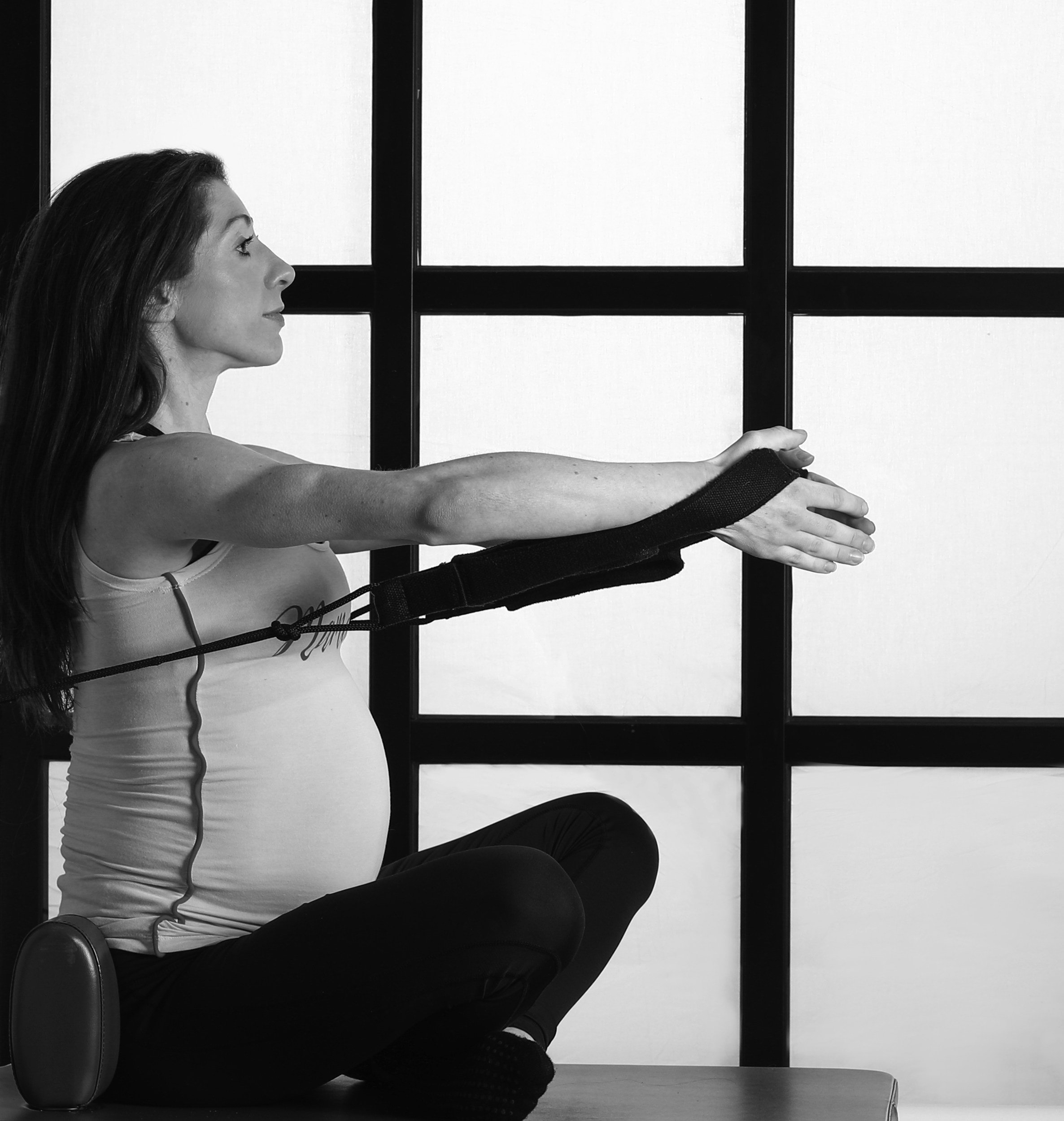
Physical therapy during pregnancy can help reduce pain, improve mobility, support exercise tolerance, and prepare your body for labor and delivery.
Treatment may include: Movement and posture assessment, Strength training and mobility work, Pelvic floor coordination, Breathing and pressure management strategies, Manual therapy, Education for labor, delivery, and recovery. Pregnancy physical therapy may help with pelvic pain, low back pain, hip pain, rib discomfort, abdominal weakness, and difficulty staying active throughout pregnancy.
Postpartum Recovery Physical Therapy
Why Choose Lumina Physical Therapy?
One-on-One Care
Every session is focused entirely on you and your individual recovery goals.
Orthopedic and Pelvic Health Expertise
We integrate orthopedic physical therapy and pelvic floor rehabilitation to provide comprehensive whole-body care.
Support for Active Moms
Whether your goal is walking comfortably, lifting your baby without pain, returning to running, or rebuilding strength, treatment is designed to support long-term function and recovery.
Evidence-Based, Individualized Care
Treatment is guided by current research and tailored to your specific symptoms, goals, and stage of recovery.
Start Feeling Stronger and More Supported with Lumina Physical Therapy
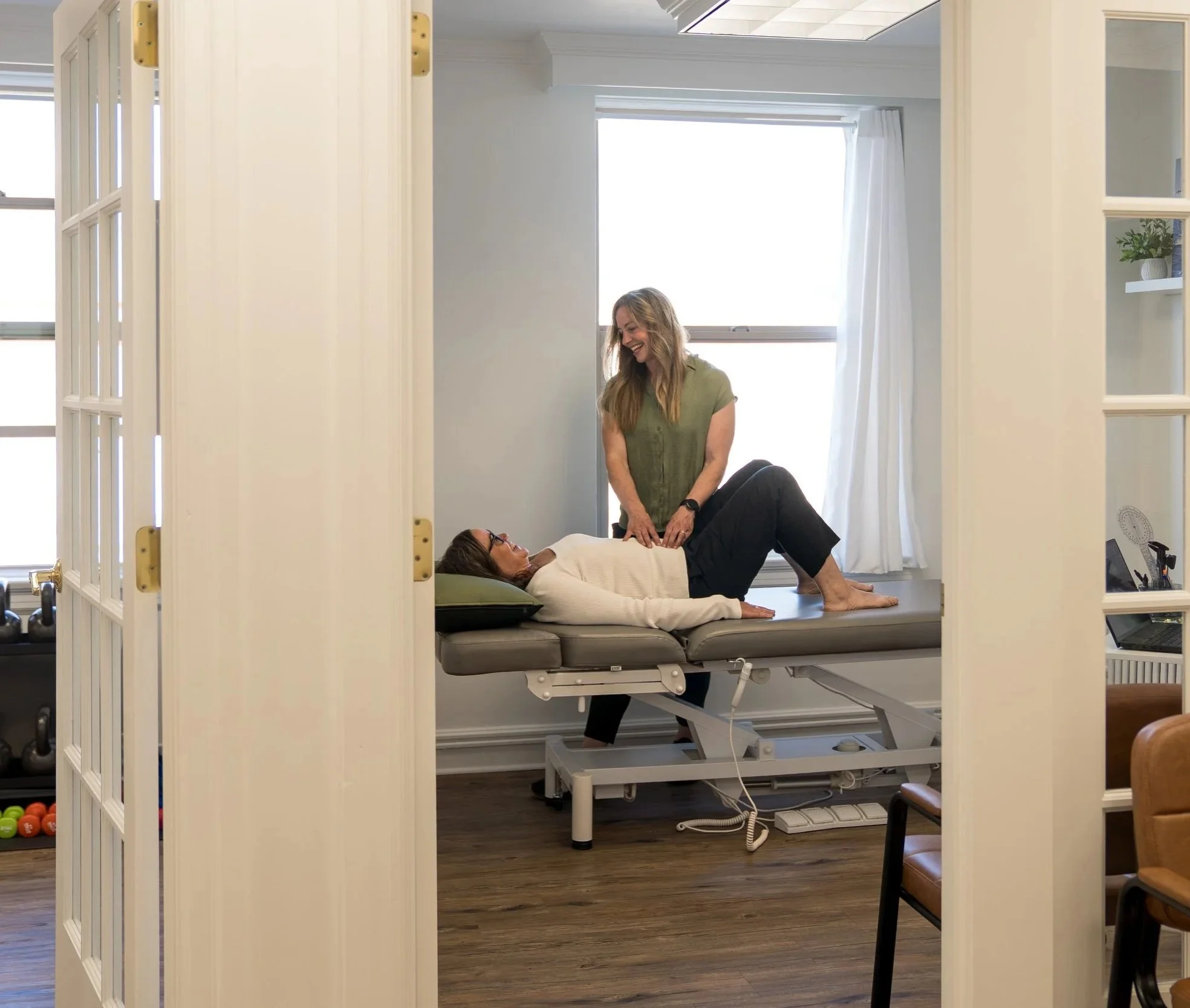
Lumina Physical Therapy provides compassionate, evidence-based pregnancy and postpartum physical therapy to help you move confidently through every stage of recovery. If you are experiencing pelvic pain, back pain, core weakness, pelvic floor dysfunction, or difficulty returning to activity after pregnancy, we are here to help. Contact Lumina Physical Therapy to schedule your evaluation and begin your recovery journey.
Frequently Asked Questions
When should I start pelvic floor physical therapy during pregnancy?
1
Pelvic floor physical therapy can be beneficial at any stage of pregnancy. Many patients begin care early to reduce pain, improve mobility, and prepare for labor and postpartum recovery.
How soon after delivery can I begin postpartum physical therapy?
2
Postpartum physical therapy is often appropriate within the first few weeks after delivery depending on symptoms, delivery type, and medical guidance.
Do I need pelvic floor therapy if I had a C-section?
3
Yes. C-section recovery still affects the abdominal wall, core muscles, pelvic floor function, posture, and overall movement patterns.
Can physical therapy help with diastasis recti?
4
Yes. Physical therapy can improve abdominal coordination, strength, pressure management, and functional movement patterns related to diastasis recti.
Have additional questions? Visit our FAQ Page for answers to common questions about pregnancy and postpartum recovery, pelvic floor physical therapy, insurance, appointments, and what to expect during treatment.
Ready to Take the Next Step?
Pregnancy and postpartum recovery place unique demands on the body. Whether you're preparing for birth, managing pain during pregnancy, recovering after delivery, or returning to exercise, physical therapy can help you move with greater comfort, confidence, and support.