Male Pelvic Floor Physical Therapy
Specialized Pelvic Health Physical Therapy for Men in Bellingham, Washington.
At Lumina Physical Therapy, we provide specialized male pelvic floor physical therapy to help men reduce pain, improve bladder and bowel function, restore movement, and return to daily activities with greater confidence and comfort.
Pelvic floor dysfunction in men is more common than many people realize. Symptoms such as pelvic pain, urinary urgency, urinary leakage, constipation, pain with sitting, and sexual dysfunction can significantly affect quality of life. These symptoms are treatable, and physical therapy can play an important role in recovery.
Our approach combines orthopedic physical therapy and pelvic health rehabilitation to address the entire movement system rather than focusing on symptoms alone.
What Is Male Pelvic Floor Physical Therapy?
The pelvic floor is a group of muscles, nerves, and connective tissues that support bladder, bowel, sexual, and core function. These muscles also contribute to posture, breathing mechanics, hip stability, and movement coordination. Male pelvic floor dysfunction may occur when the pelvic floor muscles become weak, tight, painful, overactive, or poorly coordinated. Pelvic floor physical therapy helps restore normal muscle function, improve mobility, reduce pain, and support healthy movement patterns through individualized treatment and education.
Common Symptoms of Male Pelvic Floor Dysfunction
Symptoms may include:
Pelvic pain
Groin or testicular pain
Pain with sitting
Urinary urgency or frequency
Urinary leakage
Painful urination
Constipation or bowel dysfunction
Lower abdominal pain
Hip or low back pain related to pelvic floor dysfunction
Sexual dysfunction
Core weakness or movement dysfunction
These symptoms are common, treatable, and often connected to the pelvic floor, nervous system, movement patterns, and surrounding musculoskeletal structures.
Symptoms You Shouldn’t Ignore
Chronic pelvic pain in men may involve the pelvic floor muscles, nervous system, hips, low back, abdominal wall, breathing mechanics, or movement patterns. Symptoms may include:
Pelvic pressure or discomfort
Pain with sitting
Groin or testicular pain
Urinary urgency or burning
Difficulty relaxing pelvic muscles
Pain during or after exercise
Lower abdominal or hip pain
Physical therapy focuses on reducing muscle tension, improving coordination, restoring mobility, and addressing contributing orthopedic and movement-related factors.

You may benefit from male pelvic floor physical therapy if you experience: Urinary leakage or urgency, Pelvic or groin pain, Pain with sitting, Constipation or bowel dysfunction, Hip or low back pain connected to pelvic symptoms, Testicular discomfort, Painful urination, Difficulty returning to exercise, Core weakness, Persistent symptoms after prostate surgery. These symptoms are common and treatable with appropriate care.
Conditions We Treat
Lumina Physical Therapy provides treatment for a variety of male pelvic health conditions, including:
Bladder & Bowel Conditions
Urinary urgency and frequency
Urinary leakage and incontinence
Painful urination
Constipation and bowel dysfunction
Pelvic Pain Conditions
Chronic pelvic pain
Prostatitis and chronic pelvic pain syndrome
Groin pain
Testicular or genital pain
Tailbone pain
Pain with sitting
Pelvic Floor & Sexual Health Conditions
Pelvic floor dysfunction
Sexual dysfunction related to pelvic floor tension or weakness
Movement & Stability Conditions
Hip and low back pain related to pelvic floor dysfunction
Core weakness and movement dysfunction
Hypermobility-related pelvic floor dysfunction
Surgical Recovery Conditions
Post-prostatectomy rehabilitation
What to Expect During Pelvic Floor Physical Therapy
Your treatment begins with a comprehensive evaluation focused on your symptoms, movement patterns, posture, breathing mechanics, strength, mobility, and goals. Treatment may include: Orthopedic movement assessment, Pelvic floor muscle coordination training, Breathing and pressure management strategies, Manual therapy, Mobility and flexibility work, Strengthening exercises, Core rehabilitation, Postural education, Bladder and bowel habit education, Return-to-activity guidance. Every treatment plan is individualized to your specific symptoms, goals, and comfort level.
Pelvic Floor Therapy After Prostate Surgery
Pelvic floor physical therapy is commonly recommended before and after prostate surgery to support bladder control, pelvic floor coordination, and recovery. Treatment may help improve:
Urinary control
Pelvic floor muscle coordination
Core strength and pressure management
Mobility and movement confidence
Return to activity and exercise
Chronic Pelvic Pain and Pelvic Floor Dysfunction
Why Choose Lumina Physical Therapy?
One-on-One Personalized Care
Every session is focused entirely on your goals, symptoms, and recovery.
Orthopedic and Pelvic Health Expertise
Pelvic floor dysfunction is often connected to the hips, spine, core, breathing mechanics, and nervous system. Treatment addresses the whole body rather than symptoms alone.
Whole-Body Approach
Pelvic floor dysfunction is often connected to the hips, spine, core, breathing mechanics, and nervous system. We address these contributing factors to support long-term improvement.
Evidence-Based Care
Treatment is guided by current research and tailored to your specific needs, goals, and comfort level.
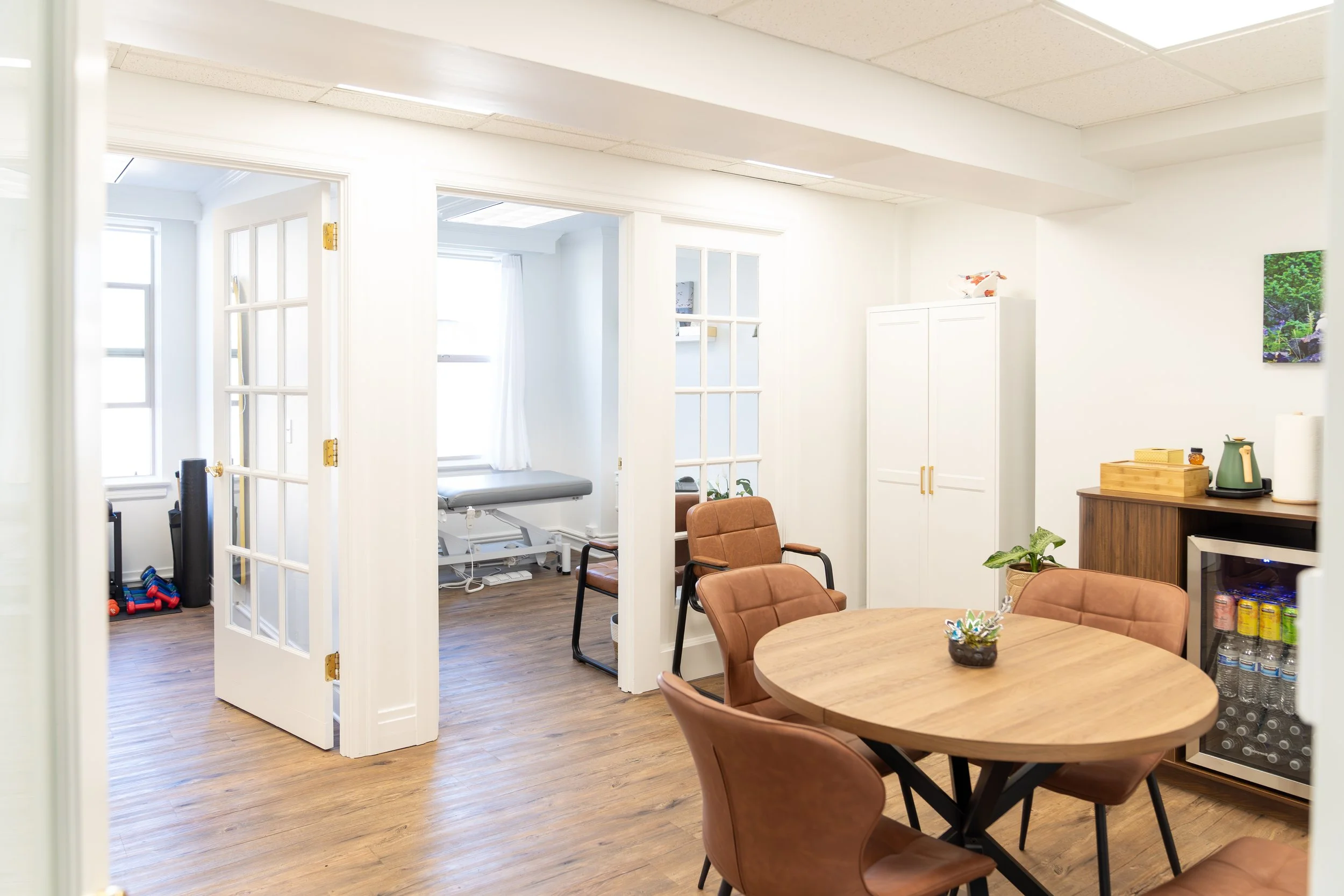
Start Your Recovery with Lumina Physical Therapy
Lumina Physical Therapy provides compassionate, evidence-based male pelvic floor physical therapy to help men improve movement, reduce pain, and restore function. If you are experiencing pelvic pain, bladder symptoms, bowel dysfunction, core weakness, or pelvic floor dysfunction, we are here to help. Contact Lumina Physical Therapy to schedule your evaluation and begin your recovery journey.
Frequently Asked Questions
Is pelvic floor physical therapy only for women?
No. Pelvic floor dysfunction affects men as well and can contribute to bladder, bowel, sexual, orthopedic, and pain-related conditions.
Can physical therapy help with chronic pelvic pain?
Yes. Pelvic floor physical therapy is commonly used to help reduce chronic pelvic pain, improve muscle coordination, and restore movement function.
Is an internal examination required?
Treatment is always based on patient comfort and informed consent. Internal assessment is only performed when appropriate and with permission.
Can pelvic floor therapy help after prostate surgery?
Yes. Pelvic floor physical therapy is commonly recommended to improve bladder control, pelvic floor coordination, and recovery after prostate surgery.
Have additional questions? Visit our FAQ Page for answers to common questions about pelvic floor physical therapy, insurance, appointments, and what to expect during treatment.
Ready to Take the Next Step?
Pelvic health concerns affecting men are common, but they are not something you have to manage alone. Whether you're experiencing pelvic pain, urinary symptoms, bowel dysfunction, or core-related concerns, physical therapy can help identify contributing factors and develop a treatment plan tailored to your needs.
Not sure if physical therapy is right for you? Reach out with questions or schedule an appointment to learn more.